What If the Chris Paul-to-Lakers Trade Wasn’t Vetoed?
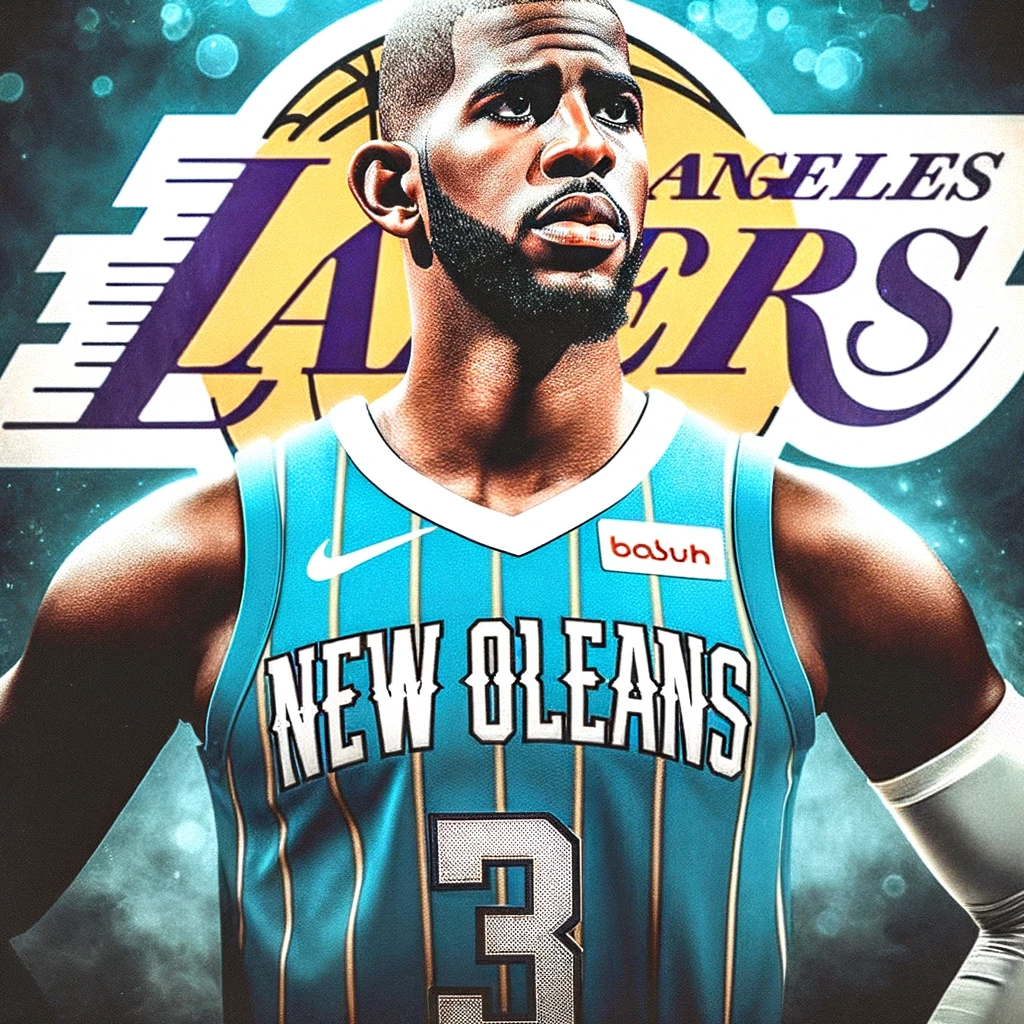
In the annals of modern NBA history, few moments have sparked as much controversy and debate as the infamous vetoing of Chris Paul’s trade to the Los Angeles Lakers in December 2011. It wasn’t just a potential shift in the NBA’s balance of power; it was a move that could’ve reshaped the careers of multiple Hall of Famers and the trajectories of storied franchises.
Backdrop
As 2011 waned, the NBA was undergoing significant changes. Still reeling from a lockout rooted in disagreements between team owners and players over revenue distribution, the league had faced its second shortened season in history. The lockout revolved around issues like salary caps, revenue sharing, and player contracts, painting a picture of an NBA in the midst of economic battles and identity crises. Against this backdrop, a trade emerged that promised to redirect the league’s narrative.
The Trade
In the proposed deal, the New Orleans Hornets (now the Pelicans) would send Chris Paul to the Lakers. In return, the Hornets would receive Lamar Odom from the Lakers and Luis Scola, Kevin Martin, and Goran Dragic, plus a first-round pick, from the Houston Rockets. The Rockets, in turn, would receive Pau Gasol.
Each team had their motivations: The Lakers sought a dynamic point guard to pair with Kobe Bryant, the Hornets wanted valuable assets for a star who might leave in free agency, and the Rockets were chasing a skilled big man in Gasol. This wasn’t just an ordinary trade; it was a blockbuster deal with significant implications.
The Veto

The world waited with bated breath. But, in an unprecedented move, then-NBA Commissioner David Stern vetoed the trade. Officially, the reason given was “basketball reasons”, but this set the rumor mills abuzz. Some believed the smaller-market team owners pressured Stern, fearing a superteam in LA. Others thought it was a bid to make the Hornets more saleable, as the NBA owned the team at the time.
The Domino Effect

Post-veto, the ripples were significant:
- Chris Paul to Clippers: CP3 was subsequently traded to the LA Clippers, leading to the “Lob City” era with Blake Griffin and DeAndre Jordan. Paul’s stature as a leader and elite point guard blossomed further with the Clippers.
- Lakers’ Struggles: Without Paul, the Lakers entered a challenging phase. Though they later acquired Dwight Howard and Steve Nash, injuries and chemistry issues plagued them. The what-could-have-been with Kobe Bryant and Chris Paul remains one of the NBA’s tantalizing “what ifs”.
- Franchise Fortunes: The Clippers, historically the “other” LA team, surged in popularity and relevance, while the Lakers faced an uncharacteristic drought.
The Lasting Impacts
- Economic Implications: The veto underscored the league’s complex dynamics between small-market and big-market teams, impacting later trade negotiations and team strategies.
- Franchise Trajectories: The Clippers became Western Conference contenders, while the Lakers took years to rebuild, only recently returning to dominance with the acquisition of LeBron James and Anthony Davis.
- Career Arcs: Players like Goran Dragic and DeAndre Jordan saw career shifts. Dragic became a key player for the Suns and later the Heat, while Jordan solidified himself as a premier center.
Conclusion

The veto of the Chris Paul-to-Lakers trade remains a watershed moment. In the complex web of NBA history, it’s a stark reminder of how singular decisions can alter the course of multiple franchises and careers. While we’ll never know the championships that might’ve been won or the on-court magic we might’ve witnessed, this event stands as a testament to the ever-evolving, unpredictable nature of professional basketball.