Streaming Showdown: Netflix’s Throne Challenged
Remember when “Netflix and chill” was just a twinkle in the internet’s eye, and the biggest streaming dilemma involved a scratched DVD and a prayer? Those were the days when binge-watching meant swapping discs and hoping the next episode wasn’t a pixelated mess. Fast forward, and Netflix has morphed into the LeBron James of streaming, slam-dunking its way into our living rooms and hearts. But now, it’s not just the king of the court; it’s facing a full-on All-Star team of challengers. From Disney+, wielding its lightsabers and fairy dust, to Amazon Prime Video, delivering more drama than your last online shopping spree, and HBO Max, bringing enough plot twists to make your head spin. And let’s not forget the others, lurking in the shadows, ready to pounce. This isn’t just a battle; it’s a cinematic universe of epic proportions. So, grab your snacks, find the comfiest spot on the couch, and let’s dive headfirst into this blockbuster showdown. Are you ready for the streaming rumble of the century?
Netflix – The Pioneer’s Playbook
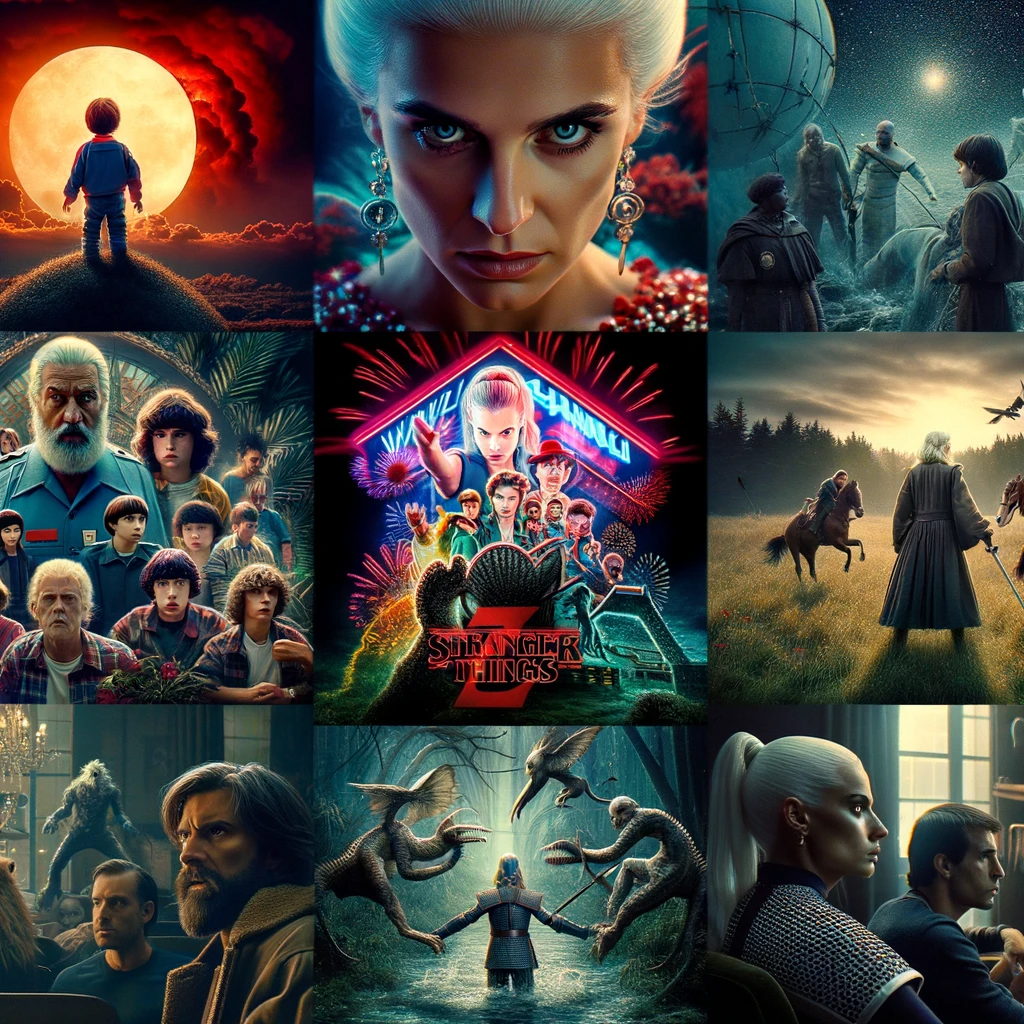
Netflix didn’t just walk into the streaming party; it threw the party, set the playlist, and made sure everyone had a drink in hand. From the days of mailing DVDs to becoming the global sweetheart of binge-watchers, it’s been a rollercoaster ride that would put your favorite theme park to shame. Netflix’s game plan? Deceptively simple: Lure you in with “Stranger Things,” then keep you glued to your screen with a smorgasbord of content, ranging from those addictive Korean dramas to mind-bending sci-fi and heartwarming rom-coms. And let’s not forget, they turned ‘Netflix Originals’ into our new best friends, giving us gems like “The Crown,” “Narcos,” and “The Witcher.” But even in the Philippines, where teleseryes reign supreme and our love for drama runs as deep as our love for adobo, Netflix had to bring its A-game. Enter Filipino content and regional gems, turning it into a veritable buffet of entertainment. From “Trese” to “On the Job,” it’s been a masterclass in how to win hearts and minds, one episode at a time. Netflix didn’t just set the bar; it kept raising it, challenging the status quo and redefining what it means to be entertained.
The Challengers Enter the Arena
But hold your horses! The streaming coliseum has more gladiators ready to rumble. Disney+ swooped in with the swagger of the Avengers, wielding a shield of family-friendly content. Its arsenal? A treasure trove from Disney, Pixar, Marvel, Star Wars, and National Geographic. Original hits like “The Mandalorian” and “WandaVision” have not only captivated audiences but also set Disney+ apart, carving a niche in the hearts of families and fans alike. However, its reliance on established franchises leaves some craving more original flavors.
Then there’s Amazon Prime Video, delivering more drama than your last online shopping spree. It’s carved its own path with a focus on original series like “The Boys” and “The Marvelous Mrs. Maisel.” But its heavy reliance on third-party content sometimes leaves
viewers wondering if there’s enough Amazon-branded spice in the mix.
And let’s not forget HBO Max, striding in with the confidence of a network that’s been brewing high-quality dramas long before streaming was a twinkle in the internet’s eye. With shows that make our local teleseryes seem like light appetizers, HBO Max has raised the bar for quality. Yet, its limited availability outside the United States has left many international viewers peeking over the fence, longing to join the party.
Looking ahead, Disney+ plans to conquer new realms, expanding into fresh markets with its family-friendly banner. HBO Max, on the other hand, is doubling down on original content, aiming to sprinkle more of its magic across the globe.
In this arena, each challenger has made its mark, shifting the tides of the streaming market. Disney+ has ignited a frenzy for Marvel and Star Wars content, while HBO Max has redefined the standards for quality dramas. As they each navigate their challenges and unfold their future plans, one thing’s for sure: the streaming wars are far from over.
The Content Arms Race
It’s a content bonanza, and viewers are hitting the jackpot. But this arms race is more expensive than a telenovela wedding. Disney+ is betting the house on Marvel and Star Wars, while Amazon Prime Video is going all-in on original series. It’s like a fiesta where everyone’s vying for the best lechon. The outcome? A renaissance for creators and a migraine for the finance department.

But here’s the rub: In this mad dash to churn out content, are we sacrificing quality for quantity? There’s a growing murmur that some platforms might be prioritizing volume over virtuosity, leaving us to sift through a mixed bag of cinematic gems and, well, not-so-gems. For instance, shows like Netflix’s “Another Life” or Amazon Prime’s “Utopia” faced criticism for lackluster writing and direction, despite the platforms’ heavy promotion.
This trend could have far-reaching impacts on the streaming industry. If viewers become overwhelmed by the sheer volume of content, they may start to cancel their subscriptions, leading to a decline in revenue for streaming platforms. This could ultimately force platforms to cut back on content production, a negative development for both viewers and creators.
So, what’s the solution? One approach is for platforms to focus on producing fewer, higher-quality shows. Instead of churning out a new show every week, platforms could invest in developing and producing shows that are truly worth watching. Another way to address this problem is for platforms to invest in better curation tools to help viewers find the content they’re interested in. For example, platforms could develop algorithms that recommend content to viewers based on their viewing history and interests, ensuring that quality doesn’t get lost in the quantity.
Subscriber Wars and Market Strategies
Subscribers are now the gold standard, and it’s a game of high-stakes Monopoly. Netflix sprinted off the blocks with its tiered pricing system, offering basic, standard, and premium plans to cater to different viewer needs. Disney+ countered with a power move, bundling its service with Hulu and ESPN+ to offer a trifecta of entertainment. Amazon Prime Video, meanwhile, cleverly hitched a ride with Amazon Prime memberships, making it a tempting add-on for avid online shoppers.

In the Philippines, where we love a good bargain, this showdown is as heated as a Jollibee vs. McDonald’s face-off. But let’s talk about the elephant in the room: Are these strategies
overwhelming consumers? With a smorgasbord of streaming options and the cumulative cost of multiple subscriptions, it’s like being at an all-you-can-eat buffet but not having enough room on your plate—or in your wallet.
One potential solution is for platforms to offer more flexible subscription plans, allowing viewers to tailor their subscriptions to their viewing habits. Another approach could be exploring new monetization methods, such as incorporating advertising or offering microtransactions for premium content.
The Viewer’s Dilemma

But with great content comes the great dilemma of subscription fatigue. It’s like being at a fiesta and not knowing which dish to dive into first. And let’s face it, our wallets aren’t bottomless. Some consumers are coping by rotating their subscriptions, subscribing to one service for a month or two, then switching to another. Others are canceling their subscriptions altogether, overwhelmed by the choices and costs.
This subscription fatigue could lead to a decline in revenue for streaming platforms if not addressed. One solution could be for platforms to offer more flexible subscription plans,
allowing viewers to pause or customize their subscriptions. Another approach could be to develop new ways to package content, such as themed bundles or limited-time access to exclusive content.
Looking Ahead – What’s Next in the Streaming Wars?
So, what’s the next twist in this teleserye-worthy saga? Will Netflix retain its crown, or is there a plot twist lurking? Emerging technologies like VR and AR could revolutionize the streaming experience, offering immersive and interactive viewing experiences that could change the game.
And let’s not forget the potential for Filipino streaming platforms to make their mark. With the right mix of local content, competitive pricing, and innovative features, a Filipino platform could emerge as a strong contender, especially if it can navigate the challenges of content creation and distribution.

As for predictions, the streaming wars are as unpredictable as the finale of a great series. Some platforms may rise, others may fall, but one thing’s for sure: the battle for our screens is far from over.
The streaming wars are more gripping than the season finale of your favorite show. For viewers, it’s an all-you-can-watch feast. For the industry, it’s a gladiator arena. As we sit with our popcorn (or chicharon), let’s ponder: In the realm of streaming, is the remote mightier than the sword?

Looking ahead, I predict that the battle will intensify, with platforms like Disney+ gaining ground due to their strong brand and family-friendly content. However, Netflix, with its diverse content library and global reach, is likely to maintain a significant foothold. Emerging technologies like VR and AR could be game-changers, offering immersive experiences that could redefine how we consume content.
While the streaming wars bring an abundance of choices, they also present challenges like subscription fatigue. Yet, there’s a silver lining: more competition often leads to better content and innovation. As viewers, we have the power to shape the industry. By supporting platforms that offer quality content and fair pricing, we can influence the direction of the streaming wars.
So, as we navigate this ever-changing landscape, let’s be discerning about the content we consume and the platforms we support. The future of streaming may be as unpredictable as the Philippine weather, but one thing is for sure: the streaming wars are far from over, and our choices as viewers will play a crucial role in determining the outcome.