Behind the Scenes: The Secrets of Pop Culture Phenomena

Pop culture phenomena are those rare moments when a movie, television show, book, song, or trend captures the collective imagination of society, becoming a cultural touchstone. These phenomena seem to spring out of nowhere, but behind the scenes, there’s often a fascinating mix of elements that combine to create a perfect storm of popularity. In this article, we’ll explore the intricate web of factors that contribute to pop culture phenomena and reveal the secrets behind their meteoric rise.
Understanding Pop Culture Phenomena
Pop culture phenomena are not only memorable but also influential, shaping the way people think, dress, talk, and interact. They often have an enduring impact, leaving a lasting mark on society. Examples of pop culture phenomena include the “Harry Potter” book series, the “Star Wars” franchise, the music of The Beatles, and the “Pokémon Go” mobile game.
What sets these phenomena apart is their ability to transcend their initial medium and become part of everyday life. The true measure of a pop culture phenomenon is its ability to bridge generations, creating a shared cultural experience that resonates with people of all ages.
The Pop Culture Ecosystem
Pop culture phenomena are not isolated events but part of a broader ecosystem. Here are some key factors that contribute to their creation:
- Timing: Timing is critical. Pop culture phenomena often emerge during periods of societal change or upheaval, when people are seeking something new and different. For example, the “Harry Potter” series gained popularity during a time when people were looking for escapism from the challenges of the real world.
- Originality: Unique and groundbreaking concepts have a better chance of becoming phenomena. A fresh idea or approach can captivate audiences and set a trend. The introduction of the smartphone, for instance, revolutionized how we communicate and access information.
- Quality: High-quality content is more likely to gain widespread recognition. Whether it’s a hit television show or a chart-topping song, excellence in execution is a hallmark of pop culture phenomena.
- Emotional Resonance: Phenomena often strike a chord emotionally. They address universal themes, elicit powerful emotions, and provide a sense of connection. Music legend Michael Jackson’s “Thriller” album, for example, captured the imaginations of millions with its infectious music and groundbreaking music videos.
- Marketing and Promotion: Effective marketing and promotion are essential to introduce a phenomenon to the masses. Skillful advertising, public relations, and social media campaigns can generate buzz and excitement. The Marvel Cinematic Universe is a prime example of a well-orchestrated marketing machine.
- Fan Engagement: Pop culture phenomena frequently have dedicated fan bases that contribute to their popularity. Fan communities, fan conventions, and fan art all play a role in spreading the word and enhancing the phenomenon’s reach. The “Doctor Who” series is renowned for its devoted fanbase.
- Innovation: Innovations in technology or storytelling techniques can spark a phenomenon. For instance, “The Matrix” film series was groundbreaking in its use of visual effects and philosophical themes.
- Nostalgia: Sometimes, pop culture phenomena leverage nostalgia to captivate audiences. Revisiting beloved characters, stories, or franchises can trigger powerful emotions and spark renewed interest. The return of “Star Wars” with new films is an example.
- Cross-Media Adaptation: Translating a successful concept across different media platforms can extend the reach of a phenomenon. “Game of Thrones” began as a book series, but the television adaptation expanded its fan base exponentially.
The Psychology of Pop Culture
Understanding the psychology of pop culture phenomena is crucial to unlocking their secrets. Pop culture plays on fundamental human needs and desires, including the need for connection, escapism, and a sense of identity.
Pop culture phenomena often offer a sense of belonging. When people become fans of a phenomenon, they join a community of like-minded individuals who share their passion. This sense of belonging can be deeply satisfying and creates a sense of identity and purpose.
Escapism is another powerful draw. Phenomena transport us to other worlds, whether through the pages of a book, the screen of a movie theater, or the lyrics of a song. During challenging times, the opportunity to escape into a captivating world can be an irresistible allure.
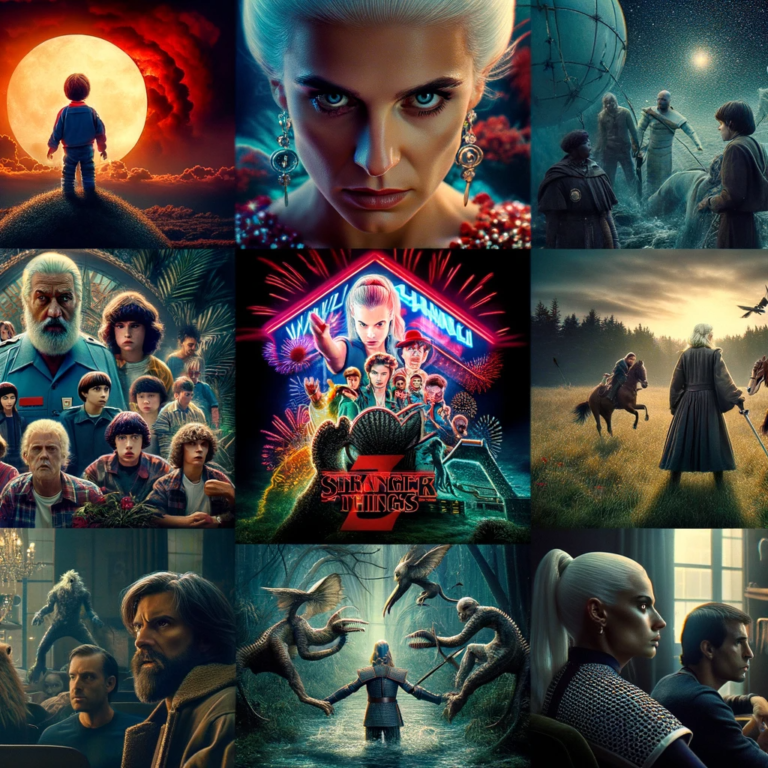
Nostalgia is also a potent force. Revisiting beloved stories or characters from the past can evoke a sense of comfort and nostalgia. For example, the “Stranger Things” television series taps into the nostalgia of the 1980s, invoking fond memories of that era.
The Role of Technology
Technology has played a significant role in shaping pop culture phenomena. The rise of the internet and social media has transformed how phenomena are created, disseminated, and sustained. Viral videos, trending hashtags, and online fan communities can propel a phenomenon into the public consciousness faster than ever before.
Streaming services have revolutionized the distribution of content, making it easier for people to access movies, television shows, and music. The availability of content on-demand has fueled the binge-watching phenomenon, where people consume an entire series in a short period.
The Social Impact
Pop culture phenomena are more than just entertainment; they can also have a profound social impact. They reflect and influence societal attitudes, values, and trends. For example, the “Black Panther” film not only entertained but also sparked conversations about representation and diversity in the film industry.
Additionally, phenomena often become part of shared cultural references and language. Catchphrases, characters, and scenes from popular movies or shows become ingrained in everyday communication and influence the way people relate to one another.
In conclusion, pop culture phenomena are the result of a complex interplay of timing, originality, quality, marketing, and emotional resonance. They tap into fundamental human needs for connection, escapism, and nostalgia. Technology and social media have transformed how phenomena are created and sustained, while their social impact extends beyond entertainment. These phenomena continue to shape our cultural landscape and reflect the evolving tastes and values of society.